Episodes 1–40 are out · 158 episodes planned · Tap an era to open or close its list of episodes
Prehistory and Gojoseon
c. 700,000 years ago – 108 BCEEpisodes 1–6 · 6 out
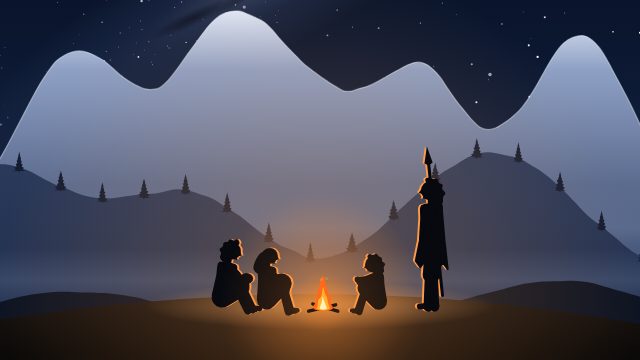
Keepers of the Fire
A single hand axe found by the Hantan River. Hawkeye, the child who once held that stone, and the people who kept the embers alive.
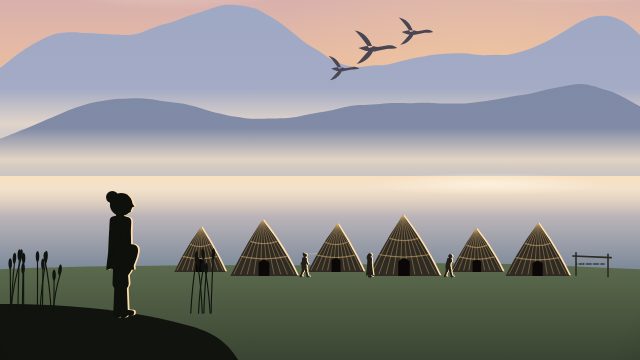
Taking Root by the River
A riverside village of pit houses and comb-pattern pottery. The story of Darae, a girl who dreamed of the sea.
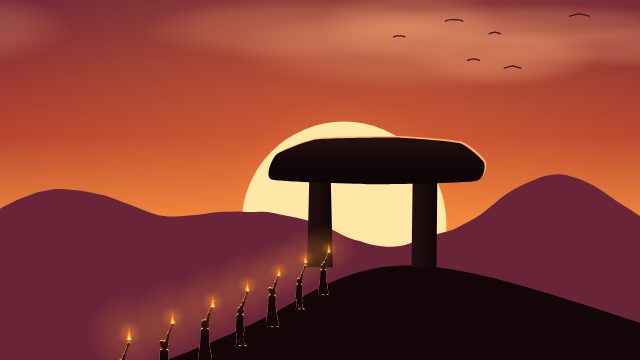
The Dolmen Builders
A chieftain with a bronze dagger, and a giant stone hauled uphill by hundreds. The Bronze Age through the eyes of Nuri, a child of the hill village.
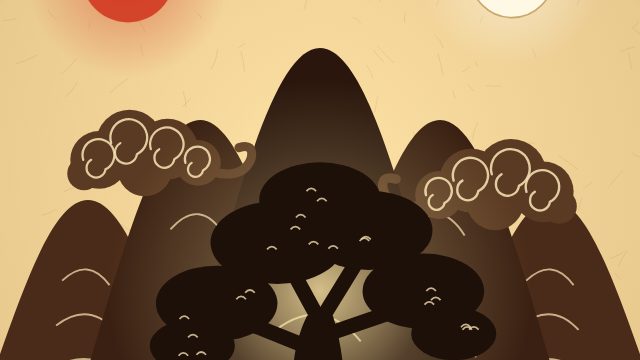
A Kingdom Sent from Heaven
A bear, a tiger, and Dangun Wanggeom. The birth of Korea’s first kingdom.
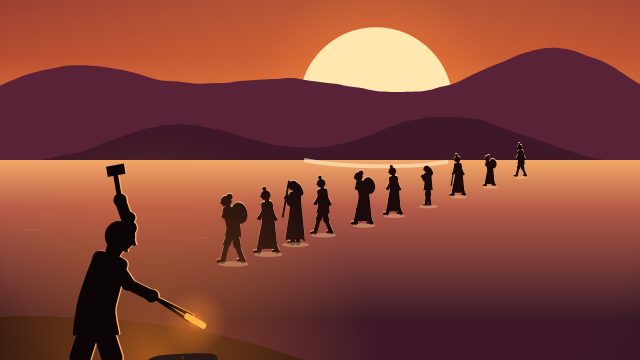
Wiman Becomes King
The day Wiman, an exile with his hair in a topknot, became king. The age of iron as seen by Bau, a boy from the smithy.
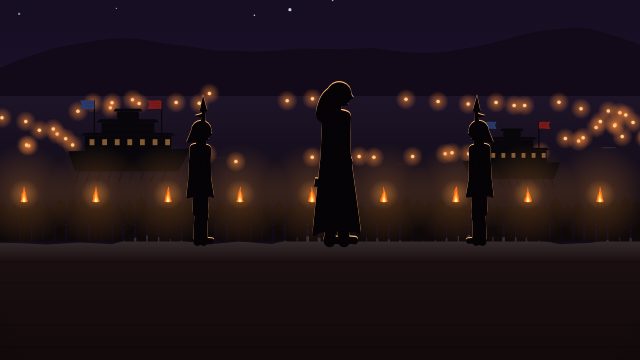
The Last Year of Wanggeom Fortress
Wanggeom Fortress held out for a year against the great Han army. The end of Gojoseon as seen by Yeoul, a blacksmith’s daughter.
The Rise of Many Kingdoms
2nd century BCE – 3rd century CEEpisodes 7–13 · 7 out
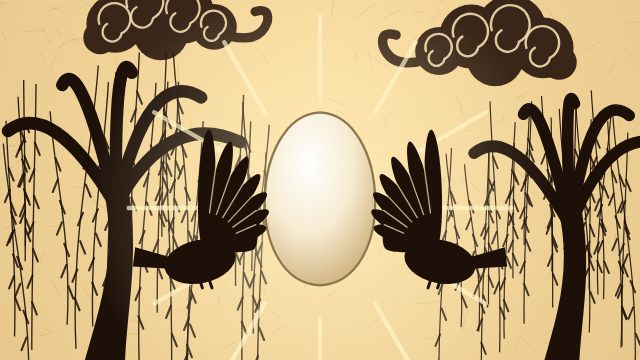
The Archer Born from an Egg
A story told by his mother, Yuhwa. Jumong, born from an egg, grows into a boy who shoots like no other.
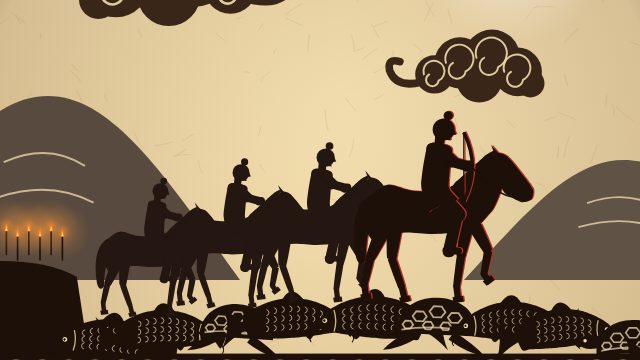
The Bridge of Fish and Turtles
A kingdom founded across the river at Jolbon, and a son, Yuri, who arrives carrying a broken sword.
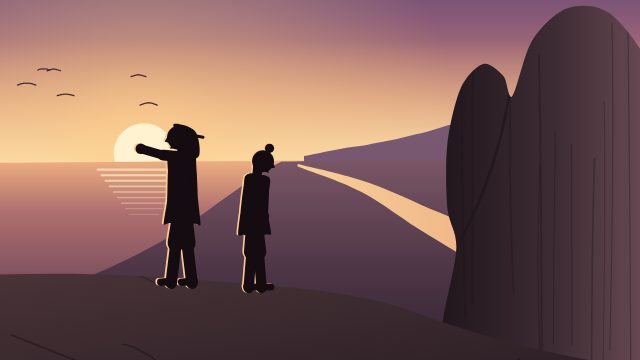
Two Brothers Who Went South
Biryu went to the seashore, Onjo to the banks of the Han. Baekje, the kingdom founded at Wiryeseong.
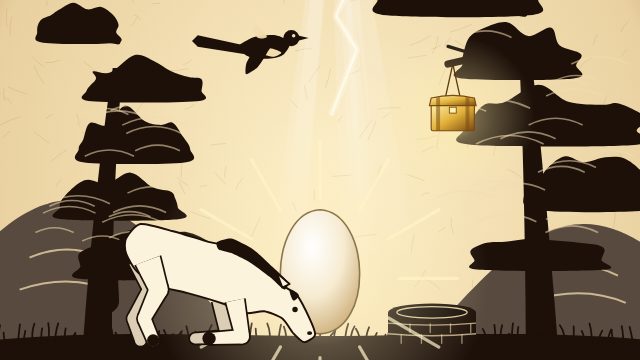
Kings Born from Eggs
Three kings, Bak Hyeokgeose, Seok Talhae and Kim Al-ji, as seen by Hogong, who crossed the sea with a gourd tied to his waist.
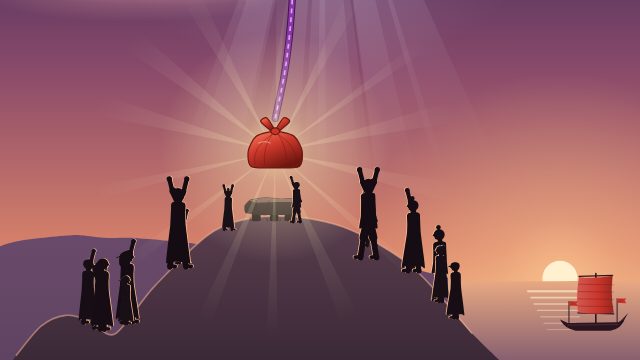
Turtle, O Turtle
A song sung on Gujibong Peak and six golden eggs. King Kim Suro, and Heo Hwang-ok of the red sails, through the eyes of a seaside girl.
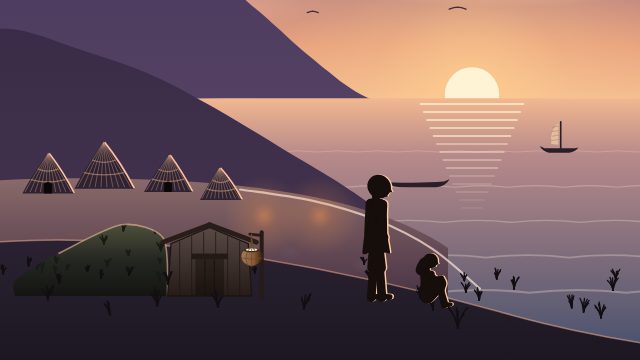
Small Kingdoms by the Sea
The East Sea coast, where people carried salt on their backs to Goguryeo. A sister who left home at ten, and the wooden coffin where a whole family sleeps together.
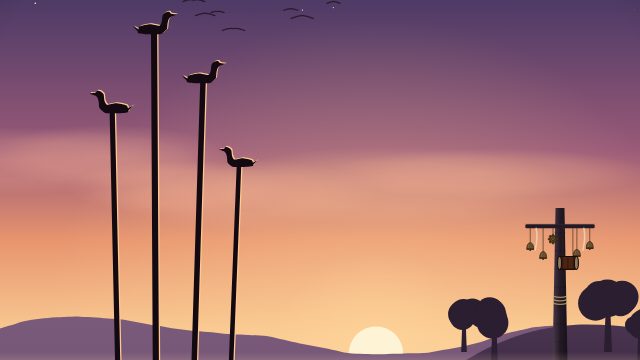
The Village of the Bird Poles
A child who made wishes to the wooden bird atop a sotdae pole. A brother who fled into the sacred Sodo, and a year spent following the iron of Byeonhan.
The Three Kingdoms Grow
1st – 4th centuryEpisodes 14–18 · 5 out
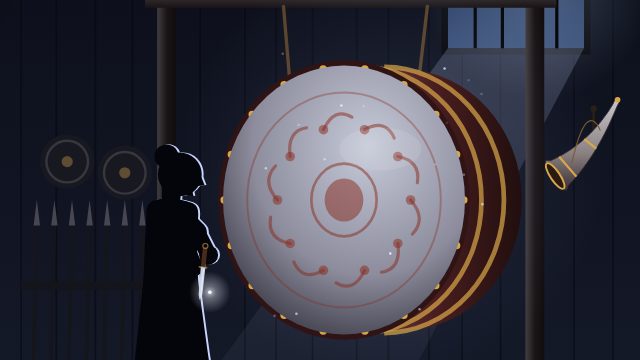
The Night the Self-Sounding Drum Was Torn
The drum of Nangnang, said to sound by itself when enemies came. The story of Prince Hodong and the daughter of Choe Ri, who tore it open.
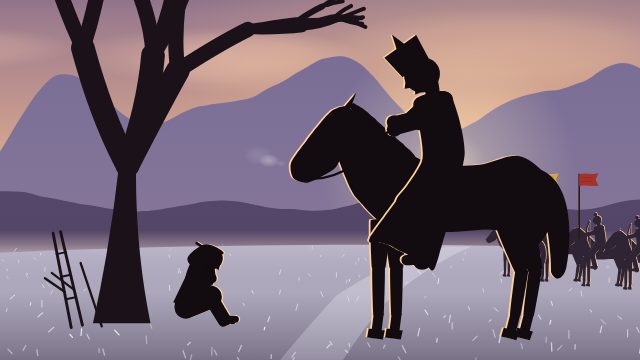
Lend in Spring, Collect in Autumn
In a year of famine, the king stopped his horse before a young man weeping by the road. The beginning of a law that lent grain in spring and collected it after the harvest.
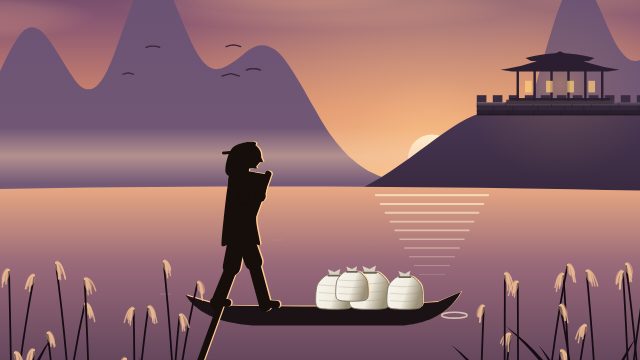
Eulbul the Salt Seller
A servant made to throw stones into a marsh to silence the frogs, a salt peddler beaten over a single shoe. How the royal heir Eulbul came to drive out the Lelang Commandery.
A Fallen King, a Kingdom Rebuilt
A father’s tomb dug open, a mother carried off as a hostage. The king who fell at Pyongyang Fortress, and the son who rebuilt his kingdom.
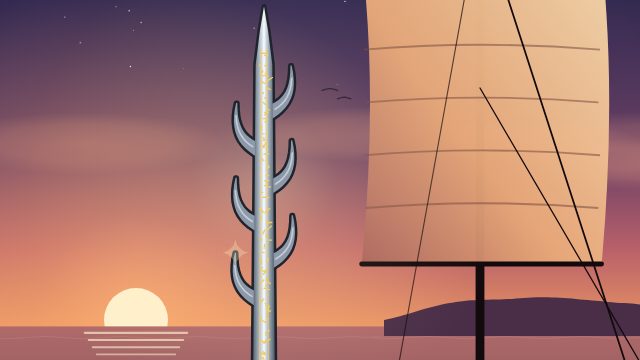
The Seven-Branched Sword Crosses the Sea
A single sword with seven branches. King Geunchogo and Crown Prince Geungusu, who stood up to Goguryeo, and the smith who hammered the blade.
Goguryeo’s Golden Age
391 – 491Episodes 19–24 · 6 out
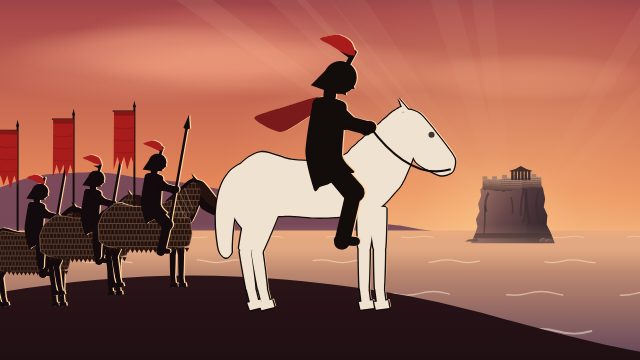
The Eighteen-Year-Old King
When eighteen-year-old Damdeok took Gwanmi Fortress on its cliff above the sea, Baekje’s new king, Asin, swore to wipe away the shame.
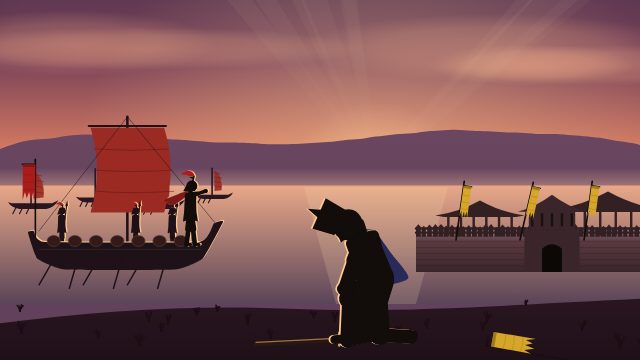
King Asin’s Vow
A vow sworn on his knees, a younger brother taken north, a crown prince sent across the sea. King Asin in the year 396, remembered only by a stone stele.
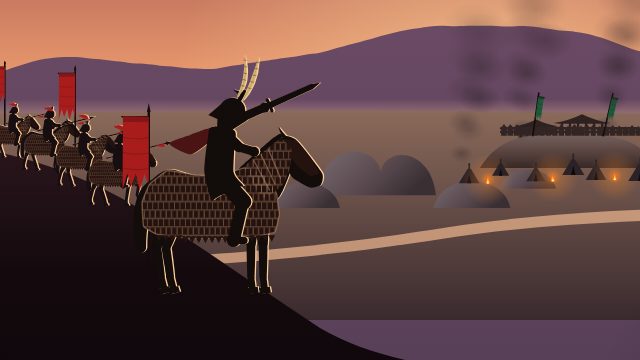
Save Silla!
Goguryeo’s 50,000 soldiers march south toward Silla’s fortress, overrun by the Wa. Silseong, once a hostage in Goguryeo, goes home to become king, and this time he is the one who sends hostages.
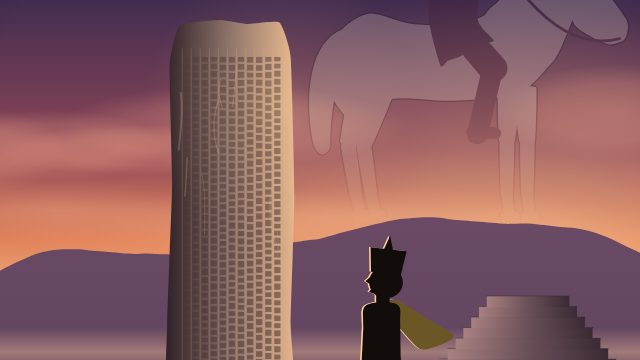
The Eternal Great King
Seven years of give and take with Later Yan, the surrender of East Buyeo, an early death at thirty-nine. On his father’s stele, the son carved even the home villages of the tomb keepers.
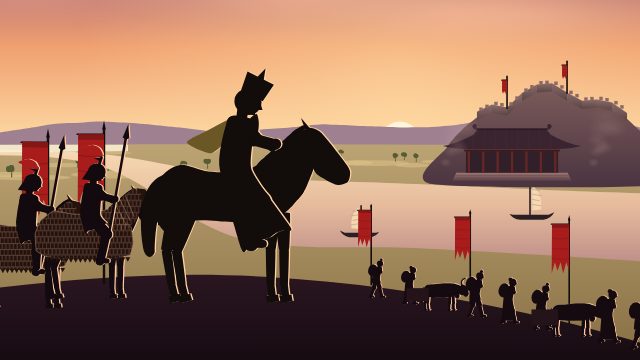
To Pyongyang
Leaving the old capital for Pyongyang on the Taedong River. The king who lived to ninety-eight, who took in the fleeing king of Northern Yan only to have him killed, and who left a stele by the Namhan River calling Silla’s ruler “the Maegeum of the Eastern Barbarians.”
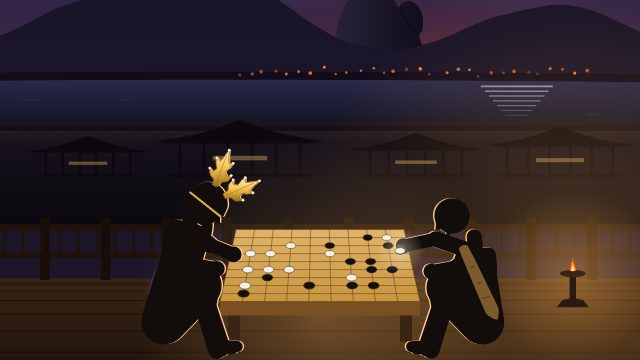
Dorim, the Monk Who Played Go
Dorim, a Goguryeo monk who won the king’s heart over games of go. Empty storehouses, fallen Hanseong, and the king’s regret: “I was a fool…”
Baekje, Silla, and Gaya
5th – 7th centuryEpisodes 25–33 · 9 out
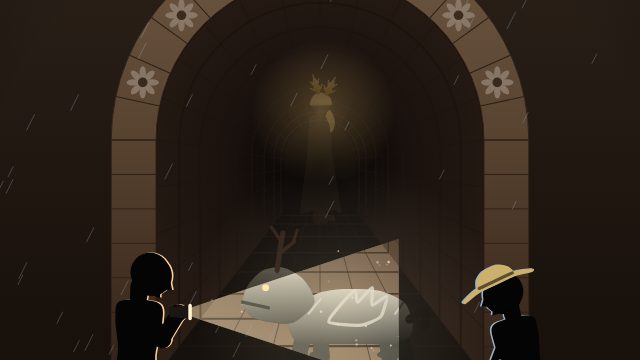
The Tomb of King Muryeong Opens
A brick caught on the tip of a shovel in the summer rains of 1971. A door shut for some 1,400 years swings open, and a stone tablet speaks the name of Baekje’s King Sama, that is, King Muryeong.
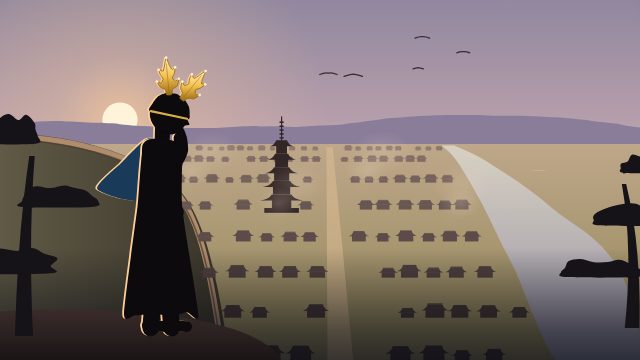
To Sabi, and Then Gwansan Fortress
King Seong built a new capital, Sabi, on a broad plain wrapped by a river, and won back the Han River. But the alliance broke, and the king set out by night with fifty men.

The Song of Seodong
The Samguk Yusa says that a yam-digging boy’s song won him a Silla princess. Yet a gold plate found inside a pagoda opened after 1,370 years names a different queen.
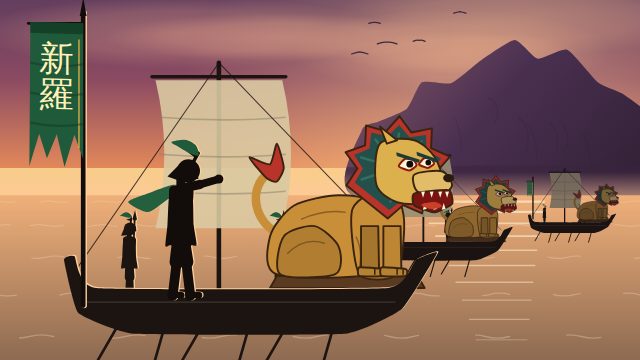
A Name Called Silla
The king who ended the custom of burying the living with the dead and gave the country the name “Silla” at sixty-four, and Isabu, who crossed the East Sea with wooden lions on his ships.
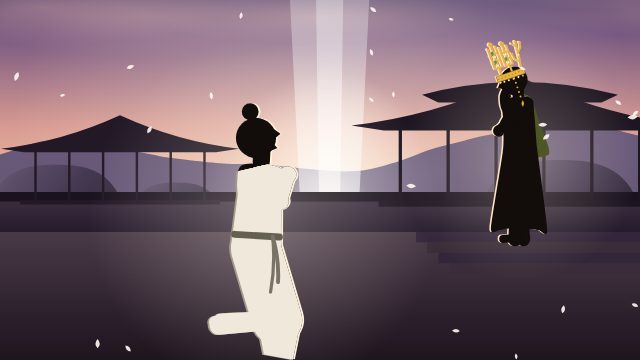
The Miracle of White Blood
“Behead me, and let that settle the debate.” King Beopheung, who wished to build a temple, and Ichadon, the young official who gave his life.
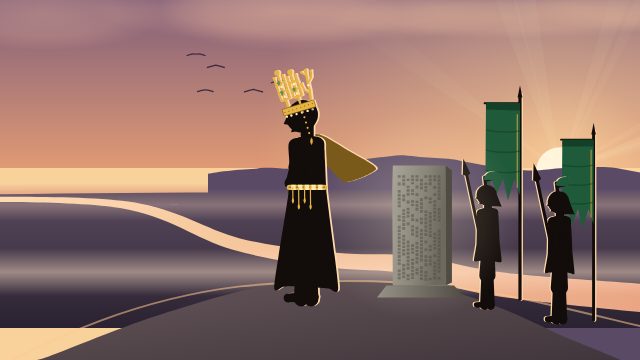
The King Who Took the Han River
A boy king who wore a heavy gold crown at seven. King Jinheung advanced on the Han River hand in hand with Baekje, then seized that land too, and left a stele on mountaintop after mountaintop.
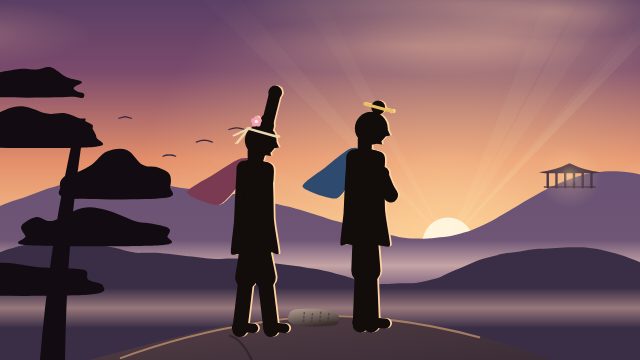
The Five Commandments
Sadaham, the boy hwarang who set free all 300 captives given to him as a reward. Forty years later, two friends who had received Wongwang’s five teachings refused to retreat on the battlefield at Amak Fortress.
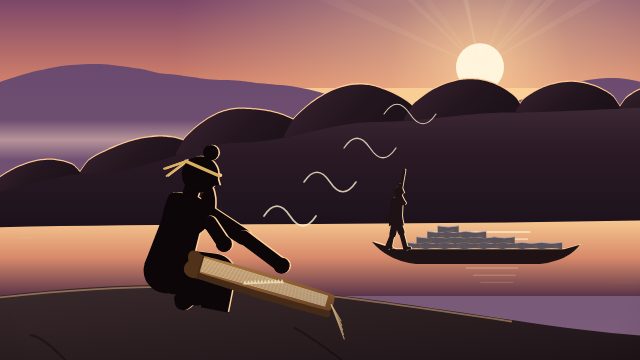
The Kingdom of Iron
Daegaya, where ships loaded with iron came and went, and the twelve-string instrument made for King Gasil. As the kingdom faltered, the musician Ureuk carried its sound to Silla, and in 562 came the last day within the fortress.
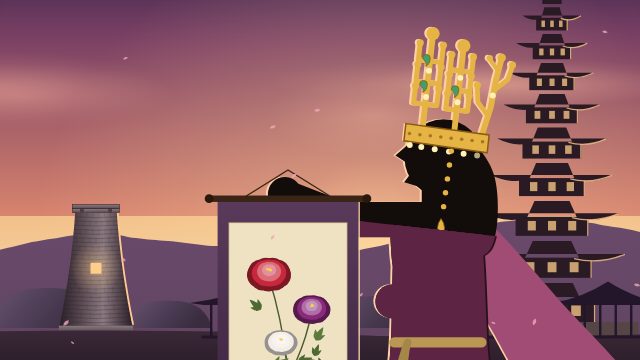
The First Queen
A princess who saw from a painting of peonies that they had no scent became the first queen of this land. Croaking toads, the scorn of the Tang emperor, and a star that rose back into the sky.
Wars with Sui and Tang
598 – 645Episodes 34–36 · 3 out
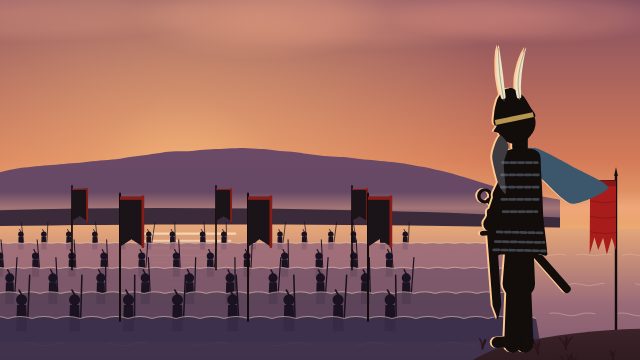
The Waves of the Salsu
Eulji Mundeok, the man who walked into the camp of a 1.13-million-strong army to feign surrender. After losing seven times on purpose and sending a poem, everything turned over at the Salsu River.
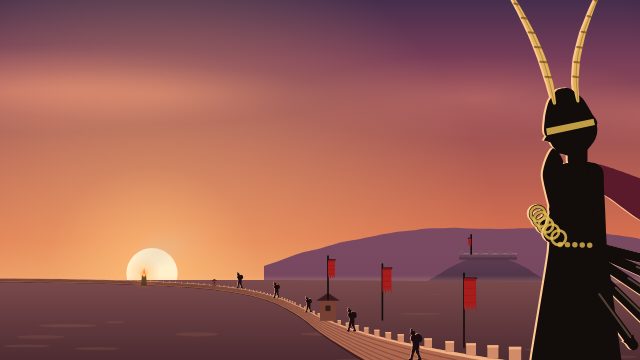
The Thousand-Li Wall
A hill of victory torn down by Tang, and a wall a thousand li long across the western plains. Before a father and son building that wall appeared a man wearing five swords.
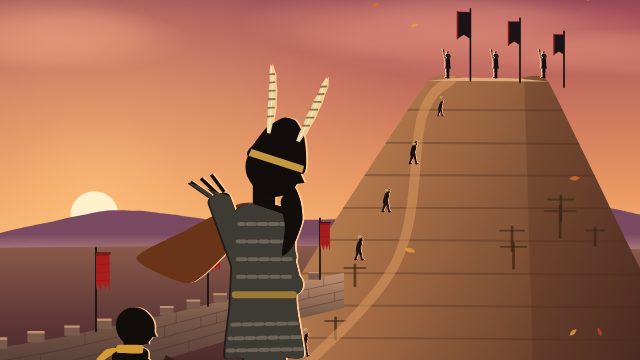
Autumn at Ansi Fortress
One mountain fortress shut its gates before the great army of Emperor Taizong of Tang. On the day the earthen mound higher than its walls collapsed, a lord whose name is lost and a boy named Maru held the fortress into autumn.
Wars of Unification
642 – 676Episodes 37–44 · 4 out
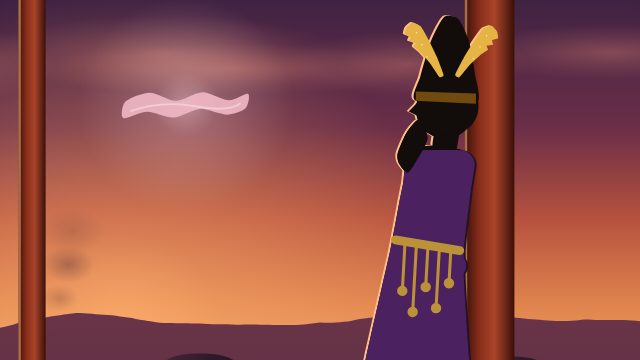
Tears at Daeya Fortress
Daeya Fortress fell, and Kim Chun-chu lost his daughter. When he went to Goguryeo to ask for troops, what saved his life was the tale of the turtle and the rabbit.
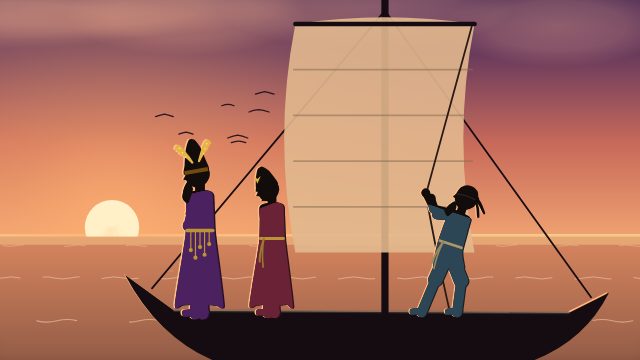
Across the Sea to Tang
Kim Chun-chu crossed the sea and came back with a promise from Emperor Taizong of Tang. On the voyage home, On Gun-hae sat on deck in a tall hat and grand robes.
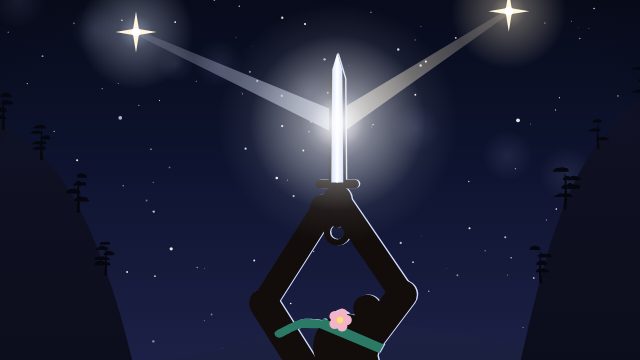
Kim Yu-sin’s Sword
A sword on which starlight was said to have settled. What Kim Yu-sin, a descendant of Gaya’s royal family, defended with that sword, and what he won back when he sheathed it.
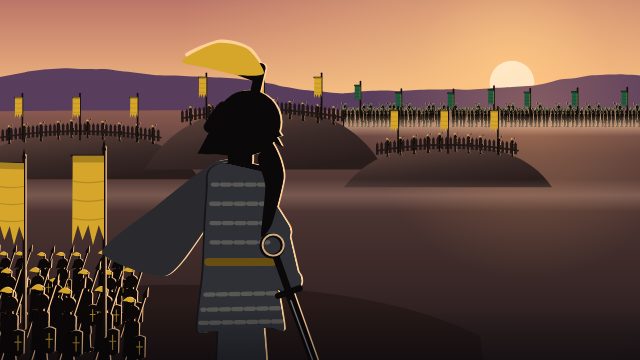
Hwangsanbeol
General Gyebaek, who won four times with 5,000 men sworn to die, and sixteen-year-old Gwanchang, who charged into the enemy lines twice. Hwangsanbeol in 660, and Sabi’s last summer.
Sunset over the Baekgang
Boksin and Heukchi Sangji, the Wa army that crossed the sea, and the Battle of Baekgang in 663.
Pyongyang Falls
While Yeon Gaesomun’s sons fought among themselves, Goguryeo met its end in 668.
Maeso Fortress and Gibeolpo
Driving out Tang, their former ally, to achieve unification in 676.
I Shall Become the Dragon of the East Sea
The king who was buried at sea so he could guard the country even after death.
The North–South States Period
676 – 936Episodes 45–54 · Coming soon
Raising Goguryeo’s Banner Again
The kingdom Dae Jo-yeong founded at Mount Dongmo in 698.
The Flourishing Land East of the Sea
A thriving kingdom east of the sea: Sanggyeong and the people of Balhae.
With a Single Flute
The tale of the Manpasikjeok flute, and the reforms that strengthened royal power in Unified Silla.
Skull Water and the Sea Beyond
Wonhyo, enlightened on the road to Tang, and Uisang, who crossed the sea after all.
A Buddha Land Carved in Stone
Bulguksa Temple, Seokguram Grotto, and the story behind the Emille Bell.
Walking the Five Kingdoms of India
The travel record of a Silla monk who walked to India and Central Asia and back.
King of the Sea ①
A general enraged at people being sold as slaves founds Cheonghaejin.
King of the Sea ②
The glory and tragedy of the sea lord who ruled the waters of East Asia.
The Genius Who Hid on Mount Gaya
A scholar of the sixth head rank who made his name in Tang, facing the collapse of Silla.
Three Again
Gyeon Hwon and Gung Ye: new kingdoms rising on Silla’s shaking land.
Goryeo — One Country Again
918 – 1170Episodes 55–67 · Coming soon
Wang Geon Opens Goryeo
Goryeo, the kingdom founded in 918 after Gung Ye was driven out.
Blood at Gongsan
In 927, a general put on the king’s robes and died in his place.
One Once More
Driven out by his own son, Gyeon Hwon comes over to Wang Geon, and in 936 the land is united.
Ten Final Wishes
The injunctions Wang Geon left his descendants, and a politics that embraced the local lords.
Setting the Slaves Free
The Slave Review Act, the civil service exam, and a king who built up royal power.
The Twenty-Eight Proposals
Goryeo lays the framework of Confucian government.
A Battle Won with Words
Diplomacy in 993 that won the Six Garrisons East of the River from a vast Khitan army.
Yang Gyu of Heunghwajin
1010: the last battle of a general who rescued 30,000 captives being dragged away.
The Wind at Gwiju ①
The Khitan invade again in 1018, and the river is dammed with oxhides.
The Wind at Gwiju ②
The great victory at Gwiju in 1019, when even the wind was on Goryeo’s side.
Blue-Green Bowls of Byeokrando
Jade-green celadon, and an international port visited even by Arab merchants.
The Nine Fortresses of the Northeast
The general who formed the Special Task Army and campaigned against the Jurchen.
Dreams of Seogyeong, Histories of Gaegyeong
The movement to move the capital to Seogyeong, and the man who compiled the Samguk Sagi.
Goryeo — Military Rule and the Mongols
1170 – 1392Episodes 68–80 · Coming soon
The Generals’ Swords
1170: a hundred years of military rulers who overturned a kingdom of scholar-officials.
Is There a Special Seed for Nobles?
The cry of the slave Manjeok, and the common people under military rule.
Winter at Gwiju Fortress
Bak Seo and Kim Gyeong-son, and the fortress that held off the Mongol host to the end.
The Arrow of Cheoin Fortress
Sartaq, the enemy commander felled by the arrow of the monk Kim Yun-hu.
Burning the Slave Registers
Seventy days held by Kim Yun-hu and the people of Chungju.
80,000 Woodblocks
The Buddha’s words, carved over sixteen years by a court that had fled to Ganghwa Island.
The Sea of the Sambyeolcho
From Ganghwa to Jindo, then Jeju: the people who resisted to the very end.
In the Shadow of Yuan
Goryeo as a son-in-law kingdom of the Yuan, and Iryeon, who wrote the Samguk Yusa.
The Man Who Brought Cotton Seeds
Cotton seeds brought back from Yuan change what the people wear.
King Gongmin’s Dream
The king who recovered the Ssangseong Commandery and tried to shake off Yuan interference.
Fire Arrows at Jinpo
He made gunpowder and set 500 pirate ships ablaze.
Turning Back at Wihwado
Yi Seong-gye, hero of the victory at Hwangsan, and his decision in 1388.
What If It Were So?
The “Hayeoga” and the “Dansimga,” and a loyal subject of Goryeo whose life ended on Seonjuk Bridge.
Joseon — Founding and Building a Kingdom
1392 – 1450Episodes 81–87 · Coming soon
Architect of a New Kingdom
Joseon is founded in 1392, and Gyeongbokgung Palace and the walls of Hanyang are designed.
Brothers’ Blood
Two princes’ revolts, the petition drum, and the identity tag law.
The Prince Who Loved Books
Chungnyeong, the third son, becomes king.
Nights at the Hall of Worthies
A king who cherished scholars, the Straight Talk on Farming, and the lives of ordinary people.
The Man Who Measured the Sky
Jang Yeong-sil, born a slave, with the rain gauge, the Angbu Ilgu sundial and the Jagyeongnu water clock.
Twenty-Eight Letters
The creation of Hunminjeongeum in 1443, and a king who pressed on despite opposition.
From the Amnok to the Tumen
The Four Counties and Six Garrisons, the Tsushima expedition, and the drawing of today’s border.
Joseon — The Age of the Sarim Scholars
1450 – 1592Episodes 88–92 · Coming soon
The Boy King and the Six Martyred Ministers
The Gyeyu Coup, and the officials who stayed loyal to Danjong to the end.
The Great Code of the State
Joseon’s basic code of law, completed under King Seongjong.
The Brush and the Sword
Four bloody storms that swept through the scholars.
A Dream of Reform
A young reformer’s dream and downfall: the Purge of 1519.
Two Great Teachers
The two scholars on the 1,000- and 5,000-won notes.
The Imjin War
1592 – 1598Episodes 93–102 · Coming soon
The Day He Fell from His Horse
The man who broke his leg at the military exam and got back up: a late-blooming officer.
Launch the Turtle Ship!
Yi Sun-sin, Commander of the Left Jeolla Navy, and the turtle ship whose cannons were tested the day before the war.
April 13, 1592
Busanjin and Dongnae Fortress fall, and Hanyang falls within twenty days.
First Victory at Okpo
A first victory won by calming a frightened navy.
The Crane’s Wings
The great victory at Hansando, and the crane-wing formation spread across the sea.
The General in Red
Gwak Jae-u, the “Red-Robed General”; Jo Heon and his 700 patriots; and Samyeong, who led the monk soldiers.
Jinju Fortress and Haengju Fortress
Jinju Fortress defended by Kim Si-min, and Haengju Fortress defended by Gwon Yul and the townspeople.
The Admiral in White
Serving as a common soldier, the defeat at Chilcheollyang, and the twelve ships that remained.
Uldolmok
Myeongnyang, 1597: holding back 133 ships with 13.
Noryang, the Last Sea
1598: “Do not announce my death.”
Joseon — A Kingdom After the War
1598 – 1800Episodes 103–117 · Coming soon
A Medical Book for the People
The physician who wrote the Dongui Bogam amid the wounds of war.
Between Two Powers
Neutral diplomacy between Ming and Later Jin, and a king who was deposed.
Winter at Namhansanseong
Forty-seven days of resistance, and the humiliation at Samjeondo.
The Hostage Years
Two princes taken to Qing, and two very different dreams.
Taxes Paid in Rice
Kim Yuk, who devoted his life to the Daedong Law, and the Sangpyeong Tongbo coin.
Ulleungdo Is Our Land
The fisherman who went all the way to Japan to defend Ulleungdo and Dokdo.
The Dream of Harmony
A king who tried to rise above factions, the Equal Service Law, and Cheonggyecheon Stream.
The Prince in the Rice Chest
The tragedy of a father and a son.
Nights at the Royal Library
A reforming king who followed his grandfather, and who appointed talent even from the sons of concubines.
The Road to Hwaseong
Hwaseong Fortress in Suwon, the lifting crane, and the royal procession of 1795 in honor of his mother.
The Great Merchant of Jeju
In 1795, she gave away her whole fortune to save the starving people of Jeju.
Let Us Learn from Qing
Bak Ji-won’s Jehol Diary, with Hong Dae-yong and Bak Je-ga.
Joseon in Pictures
Wrestling matches, the Dano festival, and painters who drew Korea’s real mountains and rivers.
500 Books from Exile
Mongmin Simseo, written over eighteen years of exile.
Sehando (Winter Scene)
Only when winter turns cold do we know the pine stays green.
Joseon — A Shaken Kingdom
1800 – 1863Episodes 118–120 · Coming soon
In the Shadow of the In-laws
A country held by a few families, and the uprising in Pyeongan Province in 1811.
A Map Drawn on Foot
The Daedong Yeojido, which becomes one great map when its 22 folded books are joined together.
People Are Heaven
The birth of Donghak in 1860, and the peasant uprisings of 1862.
The Modern Era
1863 – 1910Episodes 121–134 · Coming soon
The Closed Door
Rebuilding Gyeongbokgung, closing the Confucian academies: the reforms of a strong-willed father.
Cannon Fire on Ganghwa
French and American ships, the anti-foreign steles, and the Oegyujanggak royal protocols that came home after 145 years.
The Open Door
1876: a country opened by an unequal treaty.
Three Days in Power
The anger of old-style soldiers, and Kim Ok-gyun’s three days.
Mung Bean Flower ①
Torches at Gobu: Jeon Bong-jun and the peasant army.
Mung Bean Flower ②
Local peasant offices, the Battle of Ugeumchi, and the song “Bird, O Bird, Blue Bird.”
A Palace Crumbles
Reforms, the murder of the queen, and a king who fled to the Russian legation.
Raising the Independence Gate
Seo Jae-pil, The Independent newspaper, and the people’s assemblies.
A Nation with an Emperor
1897: the Korean Empire is proclaimed at the Altar of Heaven.
November 1905
Diplomatic sovereignty stolen. “Today we wail aloud.”
Three Men Sent to The Hague
Yi Jun, Yi Sang-seol and Yi Wi-jong, and the truth they tried to tell the world.
Quit Smoking, Pay Off the Debt
A nationwide fundraising drive that began in Daegu in 1907.
Gunshots at Harbin ①
The Severed Finger Society: men who cut off a finger to seal their vow.
Gunshots at Harbin ②
October 26, 1909, and the treatise on peace in East Asia written in prison.
Japanese Colonial Rule
1910 – 1945Episodes 135–148 · Coming soon
The Day the Nation Was Lost
August 29, 1910: a country taken away.
Six Brothers’ Decision
Brothers who sold everything they owned and left for Manchuria.
Long Live Korean Independence! ①
March 1, 1919: the cry that burst out in Tapgol Park.
Long Live Korean Independence! ②
The cheers at Aunae Market, and the last days in Seodaemun Prison.
Proclaiming a Democratic Republic
Shanghai, 1919: the country is named the Republic of Korea.
Bongodong and Cheongsanri
1920: Hong Beom-do and Kim Jwa-jin win victories in Manchuria.
The Heroic Corps
Kim Won-bong and the Heroic Corps: young men carrying bombs.
The Students Rise
1926 and 1929, and the Singanhoe.
The Lunchbox Bomb
1932: the attacks in Tokyo and at Hongkou Park in Shanghai.
Our Own Army
The Liberation Army, founded in Chongqing in 1940.
Guarding Our Words and Letters
Scholars sent to prison for trying to make a dictionary.
A Night of Counting Stars
People who resisted with poetry.
People Robbed of Their Names
Forced name changes, forced mobilization, and the people taken away.
August 15, 1945
Even to stolen fields, spring has come.
Division and the Korean War
1945 – 1953Episodes 149–158 · Coming soon
The 38th Parallel
A line drawn after liberation, and a land split in two.
The Republic of Korea Is Founded
The May 10 general election of 1948 and the founding of the government, and the pain of the Jeju April 3 Incident around that time.
June 25, 1950
The invasion from the North at dawn on a Sunday, Seoul fallen in three days, and the Han River bridges blown up.
The General at the Han River Line
On June 29, 1950, MacArthur visited the Han River defense line in person. The South Korean soldier in a foxhole described in his memoirs, and his recommendation to send in American ground troops.
The Nakdong River Perimeter
A summer at Dabudong, the student soldiers, and the people who held the last line of defense.
The Operation Everyone Opposed
Incheon, where the tide rises and falls by nearly 10 meters. MacArthur pushed through a landing said to have a one-in-5,000 chance of success.
From Incheon to Seoul
The Incheon Landing on September 15, 1950, and the recapture of Seoul on September 28. The next day, at the Capitol building, MacArthur handed Seoul back to the government of the Republic of Korea.
Christmas at Hungnam
The push north to the Amnok River, the entry of the Chinese army, the SS Meredith Victory carrying 14,000 refugees, and the January 4th Retreat.
Old Soldiers Just Fade Away
His dismissal in April 1951, and his last words before the US Congress: “Old soldiers never die; they just fade away.”
A War That Stopped but Never Ended
The Armistice Agreement of July 27, 1953. The armistice line was drawn, and the war is still not over.